
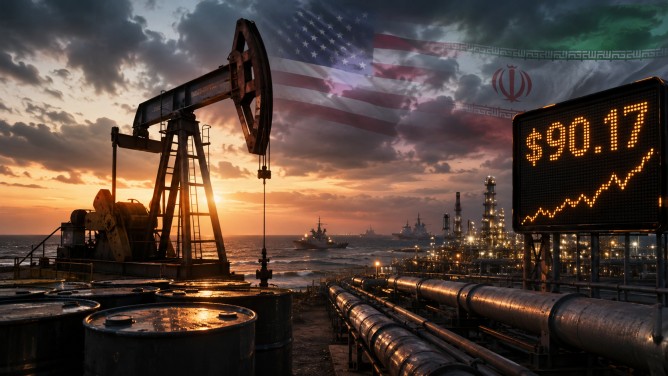
The expiration of a two-month negotiation window between the United States and Iran, without reaching a peace agreement, has led to a significant rise in oil prices, igniting concerns about sustained conflict and its impact on global energy supplies. Brent crude prices surged past $90 per barrel, hitting approximately $91.63, the highest mark since July 30. This increase follows a stern warning from US President Donald Trump, who demanded Iran’s surrender and cautioned that failure in diplomatic talks could escalate tensions.
The Strait of Hormuz has become a focal point of these concerns, given its critical role as a global oil shipping route. A noticeable decrease in the number of commercial vessels traversing this strategic waterway has heightened fears about potential long-term disruptions to oil deliveries. The situation in the region has further deteriorated after reports of an attack on a cargo vessel navigating the strait, raising alarm about the security of shipping lanes.
In response to these developments, Iran has signaled a possible shift towards a more aggressive military posture if diplomatic negotiations continue to falter. This has led to increased anxiety among investors who are now bracing for extended interruptions in oil supply. Any sustained closure or reduced traffic through the Strait of Hormuz is expected to further drive crude prices upward.
Analysts are warning that the ongoing conflict in the Middle East, coupled with the continued war in Ukraine, could exacerbate disruptions in global energy markets. This combination of geopolitical tensions has the potential to trigger further shocks, resulting in elevated oil and gas prices worldwide. Stakeholders in the energy sector are closely monitoring the situation, as the implications of these developments could have far-reaching consequences for global economies.