
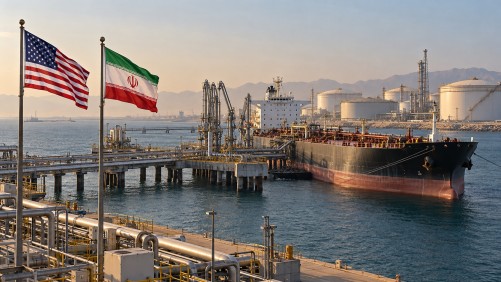
The recent stall in U.S.-Iran negotiations has contributed to a rise in oil prices, as concerns over fuel supply pressures outweigh signs of increasing crude production from the Middle East. Brent crude futures for November saw a 0.6% increase to $103.16 per barrel, while the more active December contract climbed by 94 cents to $97.10. U.S. West Texas Intermediate crude also rose by 0.9% to $90.20 per barrel.
Despite a recovery in oil supplies from the Gulf region, particularly with Saudi Arabia resuming tanker loadings at the Red Sea port of Yanbu, the market remains tense. The restart of Saudi Arabia’s East-West Pipeline has not fully alleviated concerns, as persistent fuel shortages and high shipping costs continue to tighten energy markets.
Attention remains focused on diplomatic efforts between Washington and Tehran. Qatar has expressed optimism that ongoing discussions could yield progress, yet U.S. President Donald Trump has dismissed reports of potential sanctions relief or the release of frozen Iranian assets in exchange for commitments from Iran regarding its nuclear program.
Adding to the market’s uncertainty, U.S. crude and gasoline inventories experienced an increase last week, while distillate stocks saw a decline. This fluctuation in fuel supplies further complicates the energy market landscape, as traders and analysts weigh the impacts of geopolitical developments alongside shifting supply dynamics.
Overall, the oil market’s trajectory remains uncertain as geopolitical tensions and logistical challenges continue to play significant roles in shaping supply and price fluctuations. The current circumstances highlight the complex interplay of international relations and energy market stability.