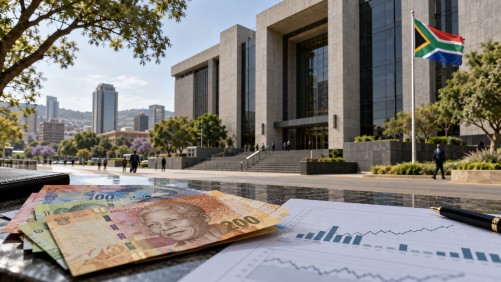
The recent hike in interest rates by the South African Reserve Bank (SARB) is set to impact households and businesses across the country, as borrowing costs rise. With the repo rate now at 7.25% and the prime lending rate at 10.75%, loans tied to variable interest rates will be more expensive, putting an additional strain on financial planning for many South Africans.
This decision, unanimously approved by the SARB’s Monetary Policy Committee, comes amid mounting concerns over inflation spurred by increasing fuel prices. Although petrol prices had shown signs of relief earlier in the year, they are once again under pressure, with the SARB reporting an average under-recovery of R2.83 per litre. This situation could further escalate transportation and manufacturing costs, while simultaneously squeezing household budgets.
Despite these challenges, the SARB remains optimistic about the country’s economic trajectory. After a 0.2% contraction in the second quarter, the central bank anticipates a rebound in growth during the latter half of the year. Projected growth rates stand at 1.2% annually, with an expectation of around 2% in the medium term.
Inflation is expected to rise above 5% by year-end and into early 2027, before gradually easing back towards 3% by the end of that year. Amidst these inflationary pressures, food prices have offered some respite. Thanks to strong harvests and stable meat prices, food inflation has dropped to its lowest level since 2010, providing some balance against the rising costs elsewhere.
Looking ahead, the SARB has indicated that interest rates might remain stable for the rest of the year, contingent upon the economic data, inflation trends, and risk assessments. The next review by the Monetary Policy Committee is scheduled for November 19, 2026, where these factors will again come under scrutiny.