
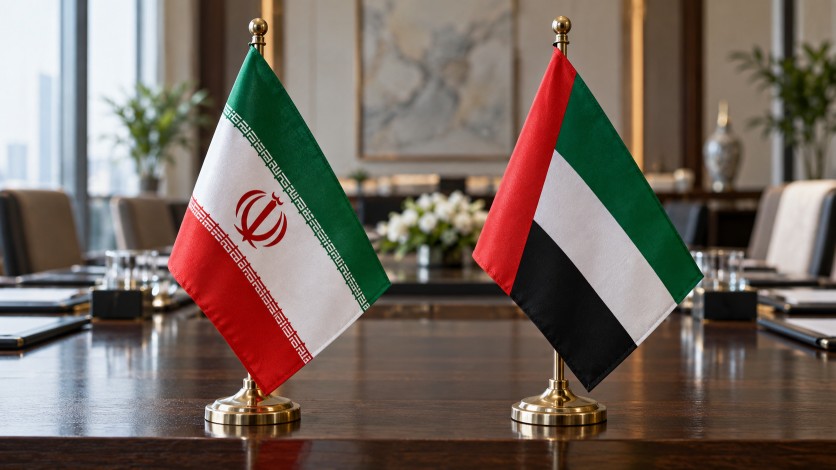
Iran has issued a stern warning to the United Arab Emirates and other countries in the region regarding the “highly dangerous consequences” of Israel’s increasing presence, following the recent visit of Israeli Prime Minister Benjamin Netanyahu to Abu Dhabi. Tehran’s concerns were voiced by its Foreign Ministry, which condemned Netanyahu’s September 27 visit and urged regional governments to be cautious about deepening ties with Israel.
During his visit, Netanyahu met with UAE President Sheikh Mohamed bin Zayed Al Nahyan. The UAE confirmed the meeting, stating that the discussions focused on bilateral relations and regional challenges. This diplomatic engagement has prompted Iran to call on countries in the region not to allow their territories to be used for activities that might destabilize the area.
The backdrop to these developments is a period of heightened tension between Iran and Israel, which has seen increased diplomatic and security activities in the Gulf region. Iran’s warning underscores its apprehension about the potential implications of Israel’s expanding influence among its neighbors.
The UAE’s decision to host Netanyahu comes as part of the broader Abraham Accords, which have seen several Arab states normalize relations with Israel. These agreements have shifted the geopolitical landscape in the Middle East, creating new alliances that are viewed with suspicion by Iran.
As the region navigates these complex dynamics, Tehran’s warning serves as a reminder of the persistent volatility and the potential for conflict should diplomatic efforts fail to maintain stability. The outcome of these engagements and their impact on regional security remain closely watched by both regional and international observers.