
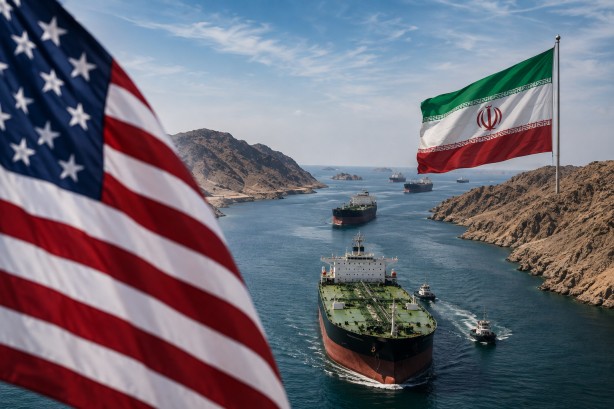
In recent developments, the United States has reported promising progress in negotiations with Iran aimed at reopening the Strait of Hormuz, with a potential agreement anticipated in the coming days. US Treasury Secretary Scott Bessent expressed optimism, indicating that discussions with Tehran could soon lead to a breakthrough. He assured that commercial vessels would be granted free passage through this vital maritime corridor without the imposition of tolls, thus safeguarding freedom of navigation.
Qatar, playing a pivotal role as a mediator in these talks, has confirmed that a de-escalation framework is currently being circulated among the involved parties as diplomatic efforts intensify. The Strait of Hormuz is a crucial conduit for global oil and energy trade and has been experiencing significant disruptions due to heightened regional tensions. The prospect of an agreement has already exerted downward pressure on oil prices, with analysts predicting further declines should normal shipping operations resume.
President Donald Trump recently disclosed his decision to delay planned military action against Iran to facilitate ongoing negotiations. He underscored that any future accord should encompass the reopening of the Strait of Hormuz alongside provisions addressing Iran’s nuclear program. This reflects a strategic shift towards diplomacy, prioritizing negotiation over military intervention.
A prior US-Iran agreement intended to reopen the strait reportedly fell apart due to disputes over shipping routes, which served to escalate tensions once more. Current negotiators are striving to forge a new accord aimed at reinstating maritime traffic and mitigating regional instability. Such an agreement would not only enhance the security of global energy supplies but also contribute to a reduction in geopolitical tensions in the area.