
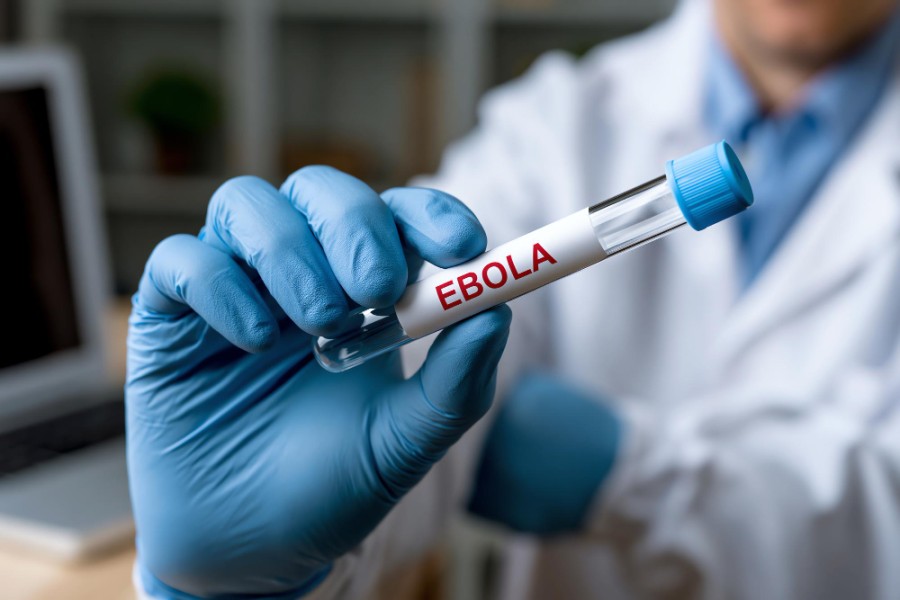
A French doctor has been diagnosed with Ebola after returning from a humanitarian mission in the Democratic Republic of the Congo, marking France’s first confirmed case of the virus. The doctor, who had been working in an area affected by the outbreak, is currently in a stable condition and being treated in isolation at a specialized medical facility. French health authorities have implemented stringent safety protocols, ensuring secure transport and immediate isolation upon the patient’s arrival in the country to mitigate any risk of transmission.
Efforts are now underway to trace individuals who may have come into contact with the infected doctor. These contacts are required to monitor their health closely and remain in isolation for a 21-day period, which is the maximum incubation period for the virus. This approach is part of the broader strategy to prevent the spread of Ebola, which has been a persistent threat in regions of Africa, particularly in the Ituri Province of the Democratic Republic of the Congo where the outbreak is currently concentrated.
The outbreak in Ituri Province involves the Bundibugyo virus strain, a rare form of Ebola for which there is currently no approved vaccine or specific treatment. This has posed significant challenges to health response teams working in the area. The virus is known to spread through direct contact with the bodily fluids of infected individuals, presenting symptoms such as fever, muscle pain, vomiting, and diarrhea. The situation is further compounded by existing regional issues such as conflict, limited access to healthcare, and logistical difficulties, which experts warn may mean that the actual number of cases and fatalities could be higher than reported figures indicate.
In light of these developments, neighboring countries are on high alert, monitoring for any potential spread of the virus beyond the Democratic Republic of the Congo. Despite the severity of the outbreak in Africa, French and European authorities have stated that the risk to the wider public in Europe remains very low. International health organizations continue to support local and regional efforts to contain the outbreak, underscoring the importance of a coordinated global response to such health emergencies.