
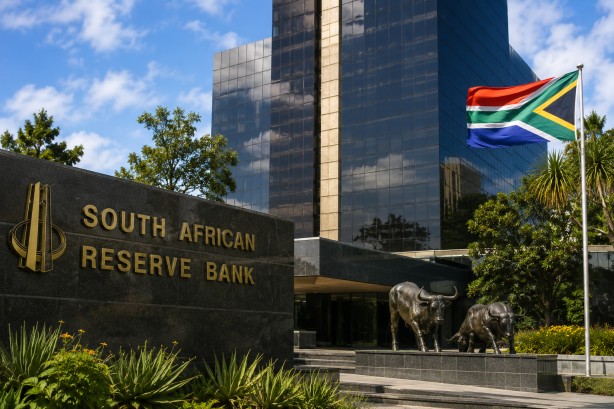
South Africa’s central bank emphasizes managing inflation over stimulating economic growth when determining interest rates. This strategic focus was highlighted ahead of the South African Reserve Bank’s forthcoming decision on the repo rate. According to leading economist Annabel Bishop, the bank prioritizes inflation control, basing its interest rate decisions on inflation projections over the next six to twelve months.
The primary aim of the South African Reserve Bank is to ensure price stability, with a set inflation target of 3% by 2026. Bishop elaborates that higher interest rates play a crucial role in curbing inflation. They achieve this by discouraging borrowing, promoting savings, and reducing consumer demand. Additionally, higher rates can also bolster the rand, which in turn, lowers the cost of imported goods, contributing to the overall strategy of inflation reduction.
While this policy approach is designed to stabilize prices, it can impose financial constraints on consumers in the short term. The elevated interest rates may lead to less disposable income, as borrowing becomes more expensive and saving is incentivized. Nevertheless, Bishop suggests that these conditions are likely to see improvement from 2027 onwards, driven by an anticipated decline in inflation and the potential for future interest rate reductions.
The South African Reserve Bank’s commitment to controlling inflation reflects a broader economic strategy, where maintaining price stability is deemed essential for long-term economic health. By focusing on this goal, the bank aims to create a more predictable economic environment, which can ultimately foster sustainable growth once inflation is tamed.