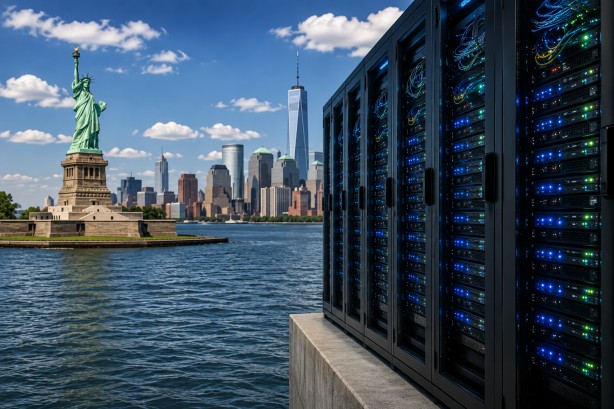
In a pioneering move, New York has initiated a one-year moratorium on the establishment of new large-scale data centers dedicated to artificial intelligence systems. Governor Kathy Hochul has taken this step by signing an executive order that temporarily blocks the state from issuing permits for new “hyperscale” data centers that have an electrical capacity exceeding 50 megawatts. The decision comes in response to mounting concerns over the potential increase in energy costs, environmental implications, and the strain on natural resources.
Governor Hochul highlighted the urgent need for a pause to enable state regulators to create more stringent regulatory standards. These would address key issues such as energy consumption, water usage, and the broader environmental impacts of data centers on local communities. The governor expressed that unchecked expansion of data centers poses risks including higher utility bills, pressure on energy infrastructure, and disruption of essential natural resources like water supplies. This moratorium will provide a window for developing a comprehensive regulatory framework over the next year.
As part of its strategy, New York is also exploring initiatives that would compel large data centers to either produce their own energy or face heightened energy costs. The aim is to prevent the burden of additional expenses from falling on the state’s residents. Public concern has been growing across the United States regarding the rapid expansion of AI-related infrastructure. Several states have been debating similar restrictions due to fears of increased electricity prices, environmental degradation, and land use challenges.
In the future, Hochul emphasized that data centers should only be constructed in communities that are supportive of such developments. These projects must adhere to local zoning laws and ensure that host communities reap significant economic benefits. The executive order is part of New York’s broader efforts to regulate AI infrastructure, coinciding with ongoing legislative discussions about additional measures for transparency, energy efficiency, and environmental protection.