
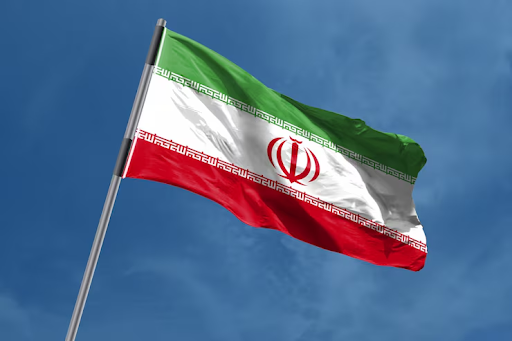
The war between the United States and Iran has entered a paradoxical phase in which both sides pursue military escalation and diplomatic engagement simultaneously, each hoping that the other will blink first. The result is a conflict that continues to kill, destroy, and destabilise even as negotiators shuttle proposals back and forth through a web of intermediaries.
At the heart of the standoff is a fundamental disagreement about what a peace deal should look like. Washington wants Iran to dismantle its nuclear programme, accept missile restrictions, and reopen the Strait of Hormuz. Tehran wants an end to the killing of its officials, guarantees against future aggression, war reparations, and control over Hormuz. The American proposal runs to 15 points; Iran’s counter-offer contains five. Neither side has found the other’s terms acceptable thus far.
The military situation has continued to deteriorate. Israel launched fresh waves of strikes across Iran, targeting infrastructure in Isfahan and elsewhere. Iran responded with ballistic missiles aimed at Israeli cities, triggering repeated air raid alerts. The US military announced it had now hit more than 10,000 targets in Iran, including naval facilities, missile production plants, and drone factories. Admiral Brad Cooper of US Central Command stated bluntly: “We’re not done yet.”
The diplomatic track, meanwhile, is being kept alive by a coalition of international intermediaries. Pakistan delivered the US ceasefire proposal to Tehran; China’s foreign minister called his Egyptian and Turkish counterparts to urge dialogue; Egyptian and Pakistani officials floated the possibility of direct face-to-face talks beginning within days. The White House confirmed that discussions were “productive” while carefully managing expectations. Iran’s foreign ministry and military, however, contradicted Trump’s claims that negotiations were already underway.
The domestic pressure on both governments is real but asymmetric. Trump faces polling collapses and economic anger at home. Iran’s leadership faces the loss of key figures — pragmatic voices like Ali Larijani have been killed — and operates in a climate of deep distrust toward American diplomacy after being attacked twice during previous negotiation windows. Bridging that distrust, while the bombs continue to fall, is the defining challenge of this extraordinary diplomatic moment.