
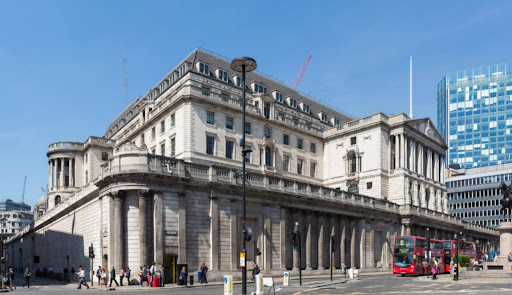
The Iran war’s energy price impact is demanding swift government action to protect UK households, as the Bank of England voted unanimously to hold rates at 3.75% on Thursday and warned that rising costs could push inflation above 3% and require rate hikes before year end. Governor Andrew Bailey explicitly called for the restoration of energy supply lines disrupted by the conflict as the most effective solution to the inflation threat. While that diplomatic goal remains beyond the Bank’s reach, officials said the government’s fiscal tools could play an important supporting role in managing the shock’s impact on households.
The case for swift action rests on the scale and immediacy of the threatened energy cost increase. UK petrol prices have already risen, and household energy bills could follow in the second half of the year if supply disruption continues. For households already strained by years of above-target inflation, a further significant energy cost increase would represent a serious financial hardship that targeted government support could help to mitigate.
Governor Bailey was careful not to make specific recommendations about fiscal policy, reflecting the Bank’s institutional independence from Treasury decisions. However, his repeated references to the impact on household finances and his acknowledgement that monetary policy alone could not address the root cause of the inflation problem implicitly pointed toward the need for complementary fiscal action on energy costs.
Financial markets moved to price in rate hikes in June and later in the year. UK gilt yields rose, the FTSE 100 fell, and the pound strengthened against the dollar as traders adjusted to the changed monetary outlook. Analysts noted that the urgency of the energy support question would intensify if inflation data in the coming months confirmed the Bank’s worst-case scenario.
Chancellor Reeves is reportedly exploring energy support options, but the scale and timing of any intervention will be critical. Swift action that provides meaningful protection before bills rise could prevent some of the hardship and dampen the inflationary impact. Delayed action that arrives after households have already absorbed higher costs would provide relief but would not prevent the financial damage. The government’s next move on energy support is therefore one of the most important economic policy decisions of the coming months.